With files from Josh Casey/Kawartha 411
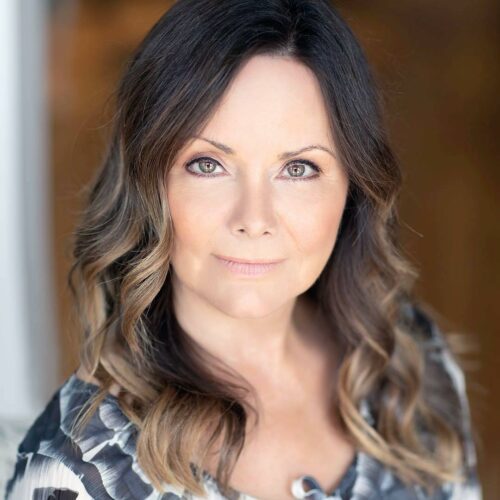
KAWARTHA LAKES-Terry Davis could pay her rent, buy food and breathe a little easier thanks to the Basic Income Pilot Project launched by the former Ontario Liberal Government in 2017. She says she is devastated with the cancellation of the project.
“It helped me so much, now I don’t even have enough money to pay my rent. I’m on ODSP and can’t work.” Davis told Kawartha 411.
Like many others Davis used the additional money to move to a better apartment. Now she says she won’t be able to pay the rent. “Now I have to depend on my son.”
The Basic Income Pilot Project launched in April 2017 and had 4,000 participants within a year. Residents from Thunder Bay, Hamilton, Lindsay, Brantford and Brant County were eligible.
The program ensured certain people would receive a guaranteed amount of money from the government.
Residents between 18 and 64 years of age who lived in one of the subject cities for at least a year were invited to apply, if they made less than $34,000 individually or $48,000 as a couple.
Single participants got up to $16,989 a year and couples receive $24,027. People who are working would see that amount reduced by 50 per cent of their income.
The program meant to provide enough money for people to meet their household needs and health costs.
And that’s exactly what it did for Davis. “It’s an amazing program.” Davis says.”I applied and I get 1915.50 (up from $1267 per month)so I have enough to pay all my bills and buy food it’s wonderful.”
The new Conservative government announced they were cancelling the program today.
“Our plan will help get people back to work and keep them working, while supporting people with disabilities to work when they are able and participate in their communities,” said Lisa MacLeod, Minister of Children Community and Social Services. “And our efforts to fix social assistance will go hand-in-hand with our commitments to reduce gas prices by 10 cents per litre, lower hydro rates, and provide targeted tax relief for working parents and minimum wage earners, all of which will provide focused benefits to lower income families.”
Lindsay’s Aaron Hughes was on Ontario Works until he joined the Basic Income Pilot Project and he told Kawartha 411 at the time he was already noticing an improvement in his health. Before the basic income experiment, Hughes was spending most of the money for food on fast food. Until recently, Hughes was only eating one meal a day. “It’s like I trained myself to eat less, so I have more money.” Upon joining the program he said he was planning on speaking with a dietician and taking cooking lessons to better his nutrition and live a healthier lifestyle.
After his mom decided to move from Lindsay, Hughes seized the opportunity to live on his own and stay near the amenities that the town has to offer. He was on the Ontario Works program for about two years. Hughes, now 22, told Kawartha 411 last year he was using his basic income payments to save up for a bicycle followed by a car so he can get a job that he enjoys. Stable housing is his next priority. “I want to get into a nicer, more secure place to live and that’s really all I’m thinking about these days.”
Data collected from the pilot was to help determine whether having a basic income may help people living on low incomes better meet their basic needs while improving outcomes in food security, stress and anxiety, mental health, health and healthcare usage, housing stability, education and training, and employment and labour market participation.
A press release from the Ministry today says, “Over the past 15 years the number of Ontarians forced to go on Social Assistance has skyrocketed by 55 per cent. One in five people stays on Ontario Works for five or more years, and if they leave almost half return, 90 per cent of them within a year. This is what a cycle of poverty looks like.” according to the release.
“Social assistance will always be about compassion for people in need, but it must also be about lifting people up and helping them get their lives back on track through more jobs, more opportunities and more hope. Tackling the serious issues facing our social assistance system is not an easy thing to do. But it is the right thing to do. And we will get this right.” Macleod Says.
But according to Davis there’s nothing “right” about this move. “I have high anxiety and manic depression, so this isn’t good for me at all, it’s making me sick.” she says.
It’s unclear exactly when the program will cease.
Note: Names have been changed to protect the identity of the participants.